What To Do After Removing A Swimming Pool In Melbourne
Table of Contents
- The First Steps After Concrete Pool Removal
- How the Ground is Prepared & Stabilised
- Turning the Space Into Usable Outdoor Living
- Landscaping Options After Pool Removal
- Building on a Former Pool Area
- Drainage & Water Management Considerations
- Improving Property Value After Pool Removal
- Why Professional Concrete Pool Removal Matters
- Reclaim Your Outdoor Space
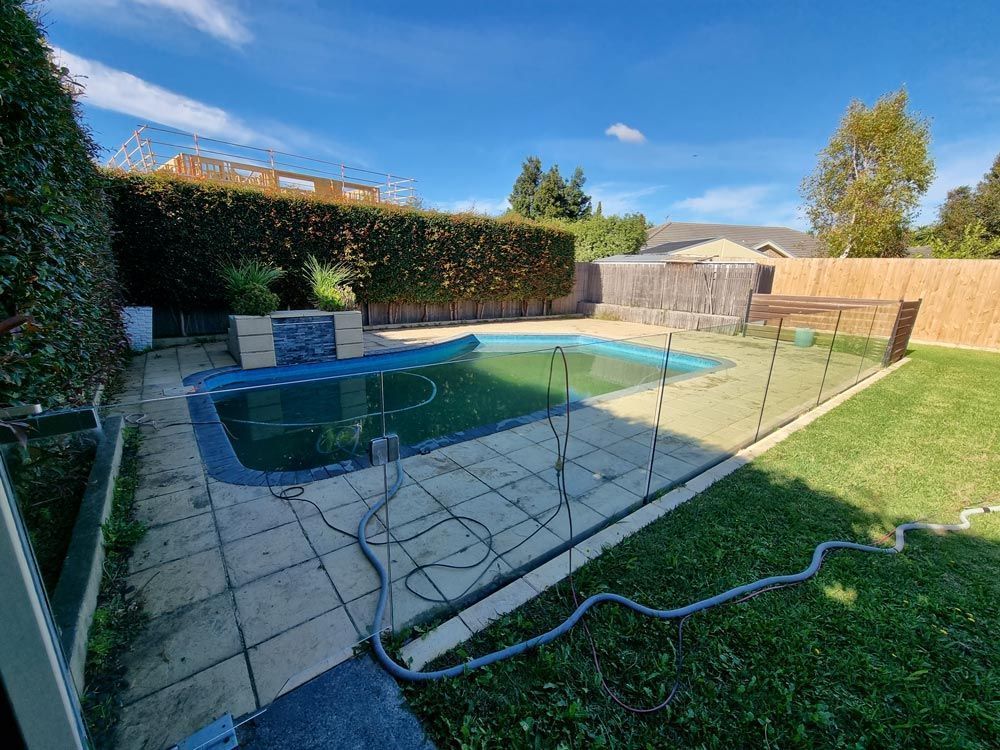
Removing a swimming pool is a major change for any property, often marking the beginning of a new chapter rather than the end of a project. Once demolition is complete and concrete is cleared, many homeowners start asking what comes next.
From ground preparation to future landscaping or building plans, the choices made after concrete removals in Melbourne can influence how usable and stable the space becomes over time. Understanding the next steps helps ensure the area is safe, functional, and ready for its new purpose without unexpected issues later.
The First Steps After Concrete Pool Removal
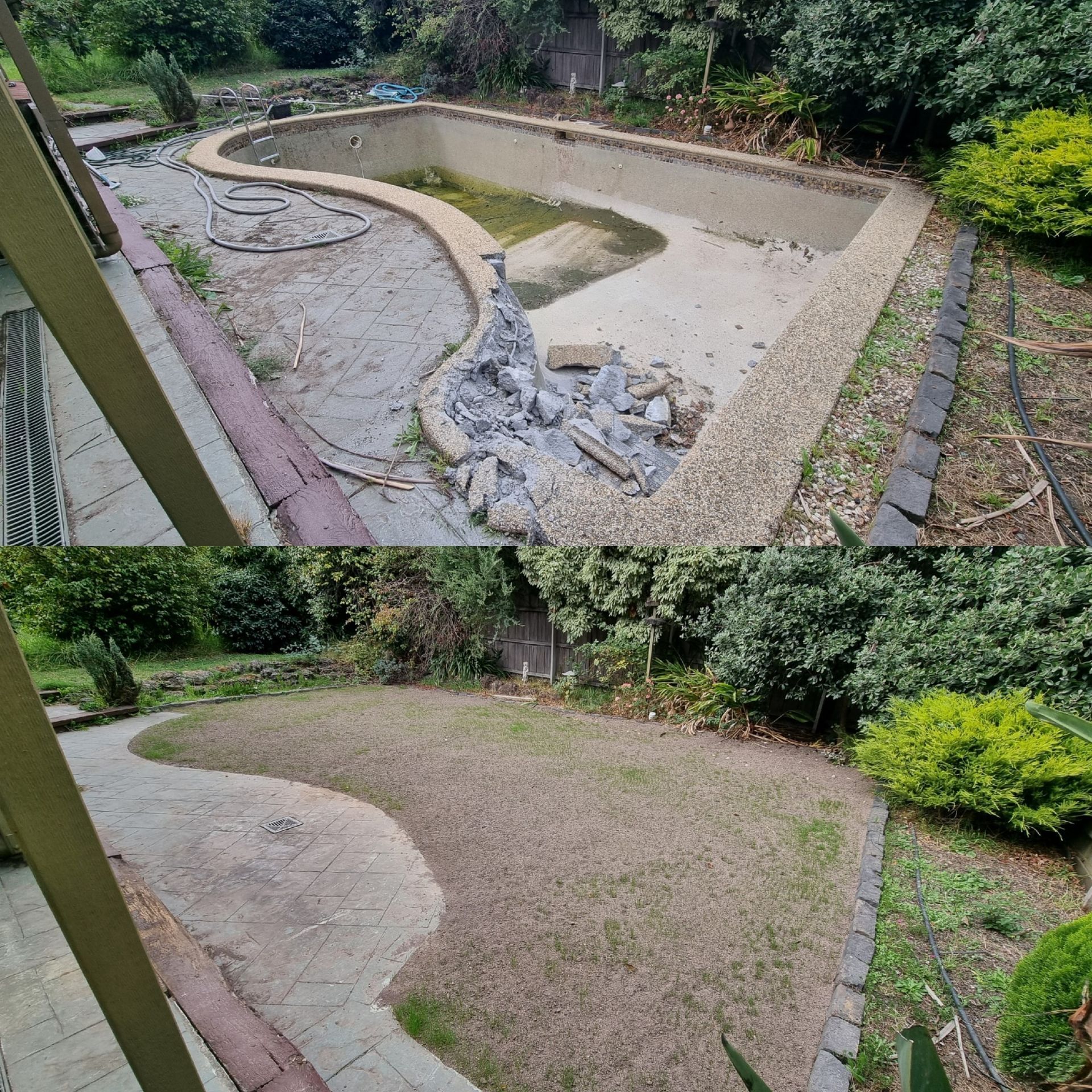
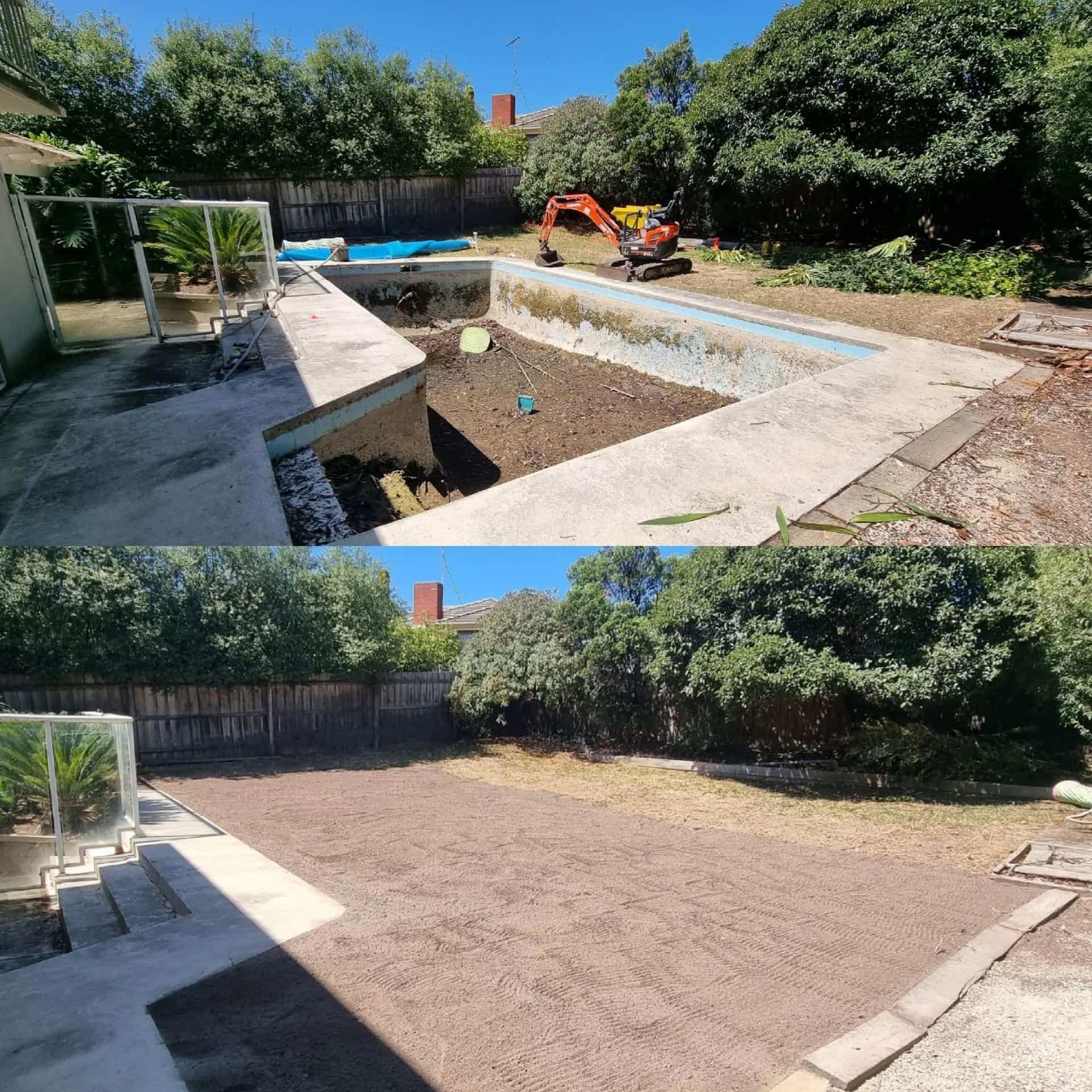
Once a swimming pool has been removed, the site enters a transitional stage. Although the visible structure is gone, the area still needs attention before it can be used confidently. The immediate focus is safety, surface condition, and short-term site management.
Key early considerations include:
- Securing the area to prevent accidental access
- Checking for uneven ground or loose fill
- Allowing time for initial settling after backfilling
It is common for the ground to look complete but still require a short period before landscaping or construction begins. This stage is about patience rather than progress. Giving the site time to stabilise helps prevent future issues such as sinking or drainage problems and ensures the next phase starts on solid footing.
How the Ground is Prepared & Stabilised
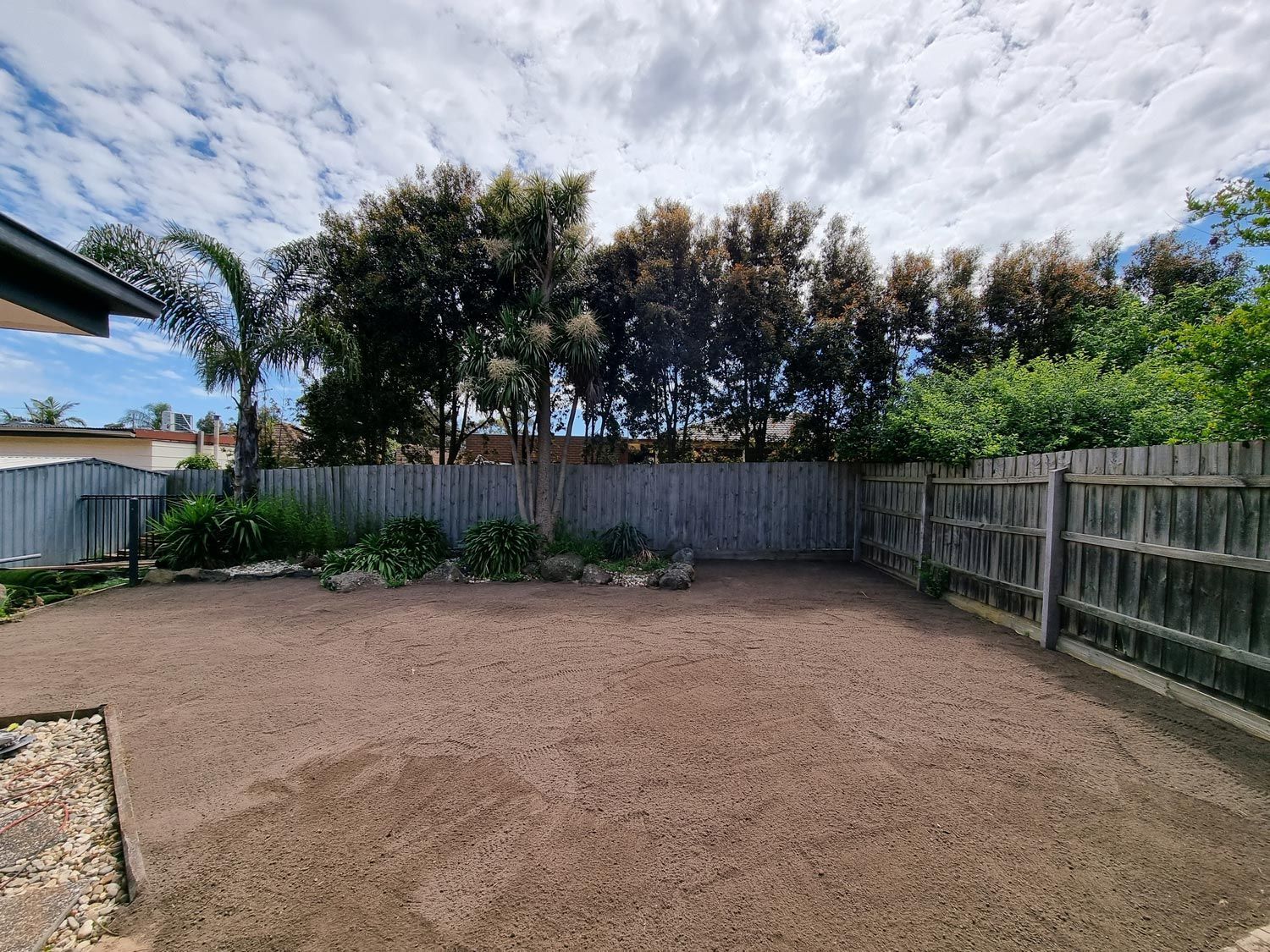
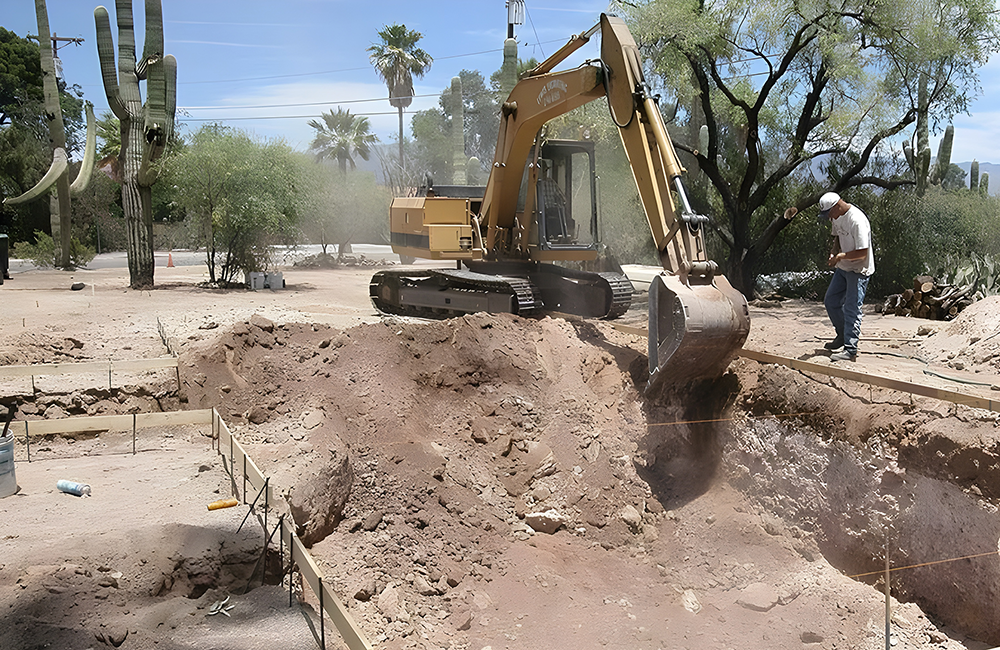
Proper ground preparation is one of the most important steps following pool removal. After concrete sections are broken up and removed, the void is backfilled in layers using suitable material. Each layer is compacted to reduce the risk of future movement.
This process typically includes:
- Controlled backfilling to minimise air pockets
- Mechanical compaction to improve soil density
- Levelling to match surrounding ground height
Stabilisation ensures the area can support turf, paving, or structures later on. Without adequate preparation, the ground may settle unevenly, leading to visible dips or cracks. Professional handling of this stage helps ensure the former pool area behaves like the rest of the yard rather than a weak point beneath the surface.
Turning the Space Into Usable Outdoor Living
One of the biggest benefits of pool removal is reclaiming space for everyday use. Once the ground is stable, homeowners often rethink how they want their outdoor area to function.
Popular options include:
- Open lawn areas for play or pets
- Outdoor entertaining zones
- Garden beds or low-maintenance landscaping
The absence of a pool can create a safer, more versatile environment, especially for families or those wanting simpler upkeep. Planning the layout early helps align the finished ground level with fencing, pathways and existing features. A clear vision for the space makes it easier to transition from demolition to enjoyment without unnecessary redesigns.
Landscaping a former pool area requires a slightly different approach compared to untouched ground. Soil composition, drainage patterns, and compaction levels all influence what will grow and how surfaces behave.
Common landscaping solutions include:
- Turf installation once settling is complete
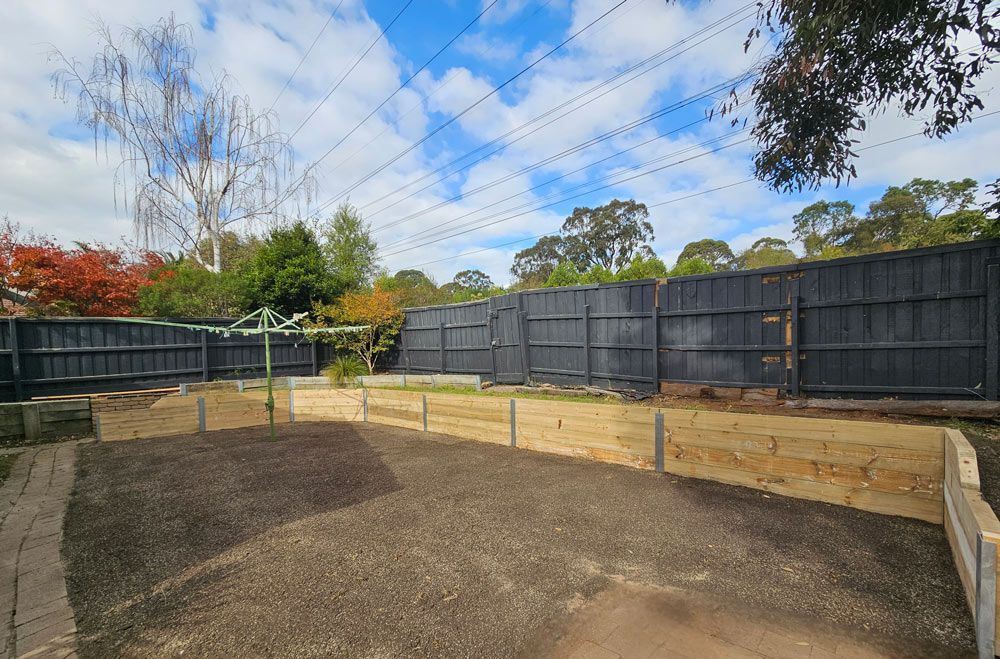
- Raised garden beds to improve soil depth
- Paved areas for seating or walkways
Landscaping choices should account for how the area was filled and compacted. Some homeowners choose to keep designs flexible initially, allowing for minor adjustments as the ground continues to settle naturally. This measured approach helps achieve long-term visual and structural stability rather than rushing into permanent features too soon.
Building on a Former Pool Area
Building on the site of a removed pool is possible, but it requires careful consideration. Structures such as sheds, decks, or pergolas place different loads on the ground than grass or garden beds do.
Important factors include:
- Depth and quality of backfill
- Level of compaction achieved
- Type and weight of the proposed structure
Light structures may be suitable once the area has stabilised, while heavier builds may require additional engineering input. Understanding these limitations early helps avoid costly changes later. A well-prepared site expands future options, but building decisions should always align with the way the ground has been treated after removal.
Drainage & Water Management Considerations
Drainage is often overlooked once a pool is removed, yet it plays a key role in how the area performs long-term. Former pools can alter water flow patterns, especially during heavy rain.
Effective drainage planning may involve:
- Ensuring surface water flows away from buildings
- Preventing pooling in the filled area
- Integrating drainage with existing yard systems
Poor drainage can undermine even well-compacted fill, leading to soft spots or erosion. Addressing water movement early helps protect landscaping and structures and reduces maintenance issues. Good drainage ensures the reclaimed space remains usable year-round rather than becoming a problem area during wet periods.
Improving Property Value After Pool Removal
While pools appeal to some buyers, others see them as ongoing maintenance or safety concerns. Removing a pool can shift a property’s appeal toward broader usability and lower upkeep.
Potential benefits include:
- Increased functional outdoor space
- Reduced maintenance responsibilities
- Greater flexibility for future improvements
Value is influenced by how well the space is finished rather than the removal itself. A neatly levelled, stable area ready for use often presents better than an ageing or unused pool. For homeowners considering pool removal in Melbourne as a long-term decision, thoughtful post-removal planning can support both lifestyle and resale goals.
Why Professional Concrete Pool Removal Matters
The quality of work done during removal directly affects everything that follows. Proper demolition, disposal, and site preparation form the foundation for future use of the space.
Professional services ensure:
- Safe handling & removal of concrete
- Correct backfilling & compaction
- Compliance with disposal requirements
Cutting corners at this stage can lead to costly rectification later. Choosing experienced providers helps ensure the ground behaves predictably and remains suitable for whatever comes next. Reliable pool removal in Melbourne is about more than removing a structure; it is about setting the site up for long-term success.
Reclaim Your Outdoor Space
At All Over Pool Removals, we work with homeowners across the area who want more from their outdoor space after a pool is removed. From concrete demolition through to careful site preparation, we understand the local conditions that affect soil, drainage and long-term stability. If you are planning a pool removal in Melbourne and want confidence that the space will be ready for its next purpose, contact us to discuss your project.