How Much Does Retaining Wall Removal Cost In Melbourne? (And What To Know About Building A New One)
Table of Contents
- Signs Your Retaining Wall Needs to Go
- What Affects the Cost of Retaining Wall Removal in Melbourne
- What Happens After the Retaining Wall Comes Down
- Should You Build a New Retaining Wall?
- Types of Retaining Walls for Melbourne Gardens and Backyards
- What Affects the Cost of Building a New Retaining Wall
- Do You Need a Permit?
- Why Hire a Professional for Retaining Wall Removal and Replacement
- Get a Free Quote for Retaining Wall Removal in Melbourne
A tired, leaning or cracked retaining wall can hold back more than soil. It can affect how your backyard looks, how safely the space functions and what you can do with the area next. For homeowners planning a garden upgrade, pool removal, landscaping project or full backyard redesign, removing an old retaining wall is often one of the first practical steps.
The cost of retaining
wall removal in Melbourne depends on several factors, including the wall’s size, material, condition, site access and what needs to happen after it comes down. Some walls can be removed as part of a straightforward backyard clean-up, while others require more careful planning because of drainage, soil movement or nearby structures. Understanding what affects the price can help you plan with more confidence and know when a new retaining wall may be needed.
Signs Your Retaining Wall Needs to Go
Retaining walls are designed to hold soil in place, manage changes in ground level and create more usable outdoor areas. Over time, however, weather exposure, poor drainage, tree roots and general ageing can cause walls to weaken.
A retaining wall may need to be removed if it is no longer stable or no longer suits the way you want to use your backyard.
Common warning signs include:
- Cracking through concrete, brick, stone or sleepers
- Leaning or bowing away from the soil
- Water stains, pooling or drainage problems
- Rotting timber or rusted steel supports
- Soil movement behind or around the wall
- Root damage from nearby trees or shrubs
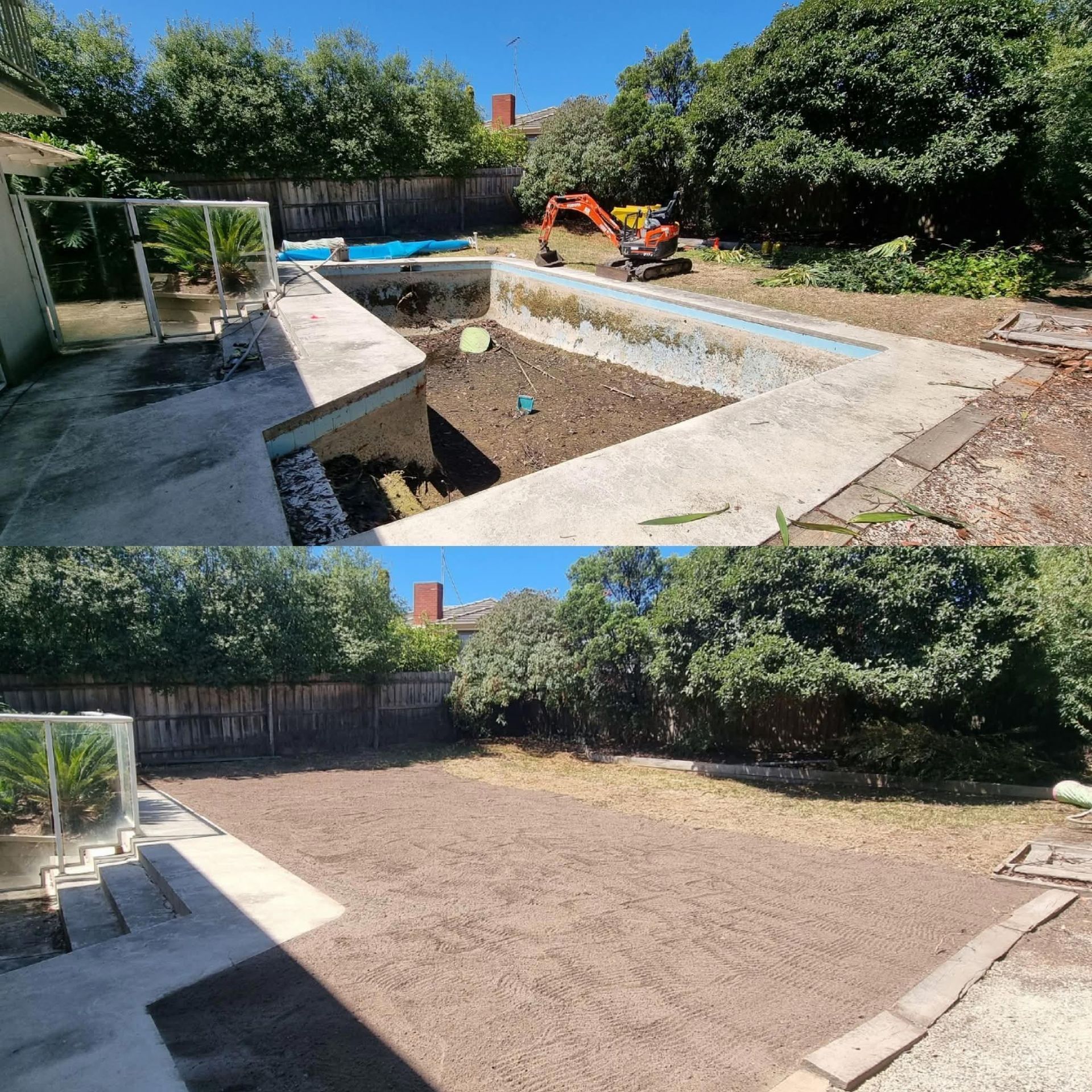
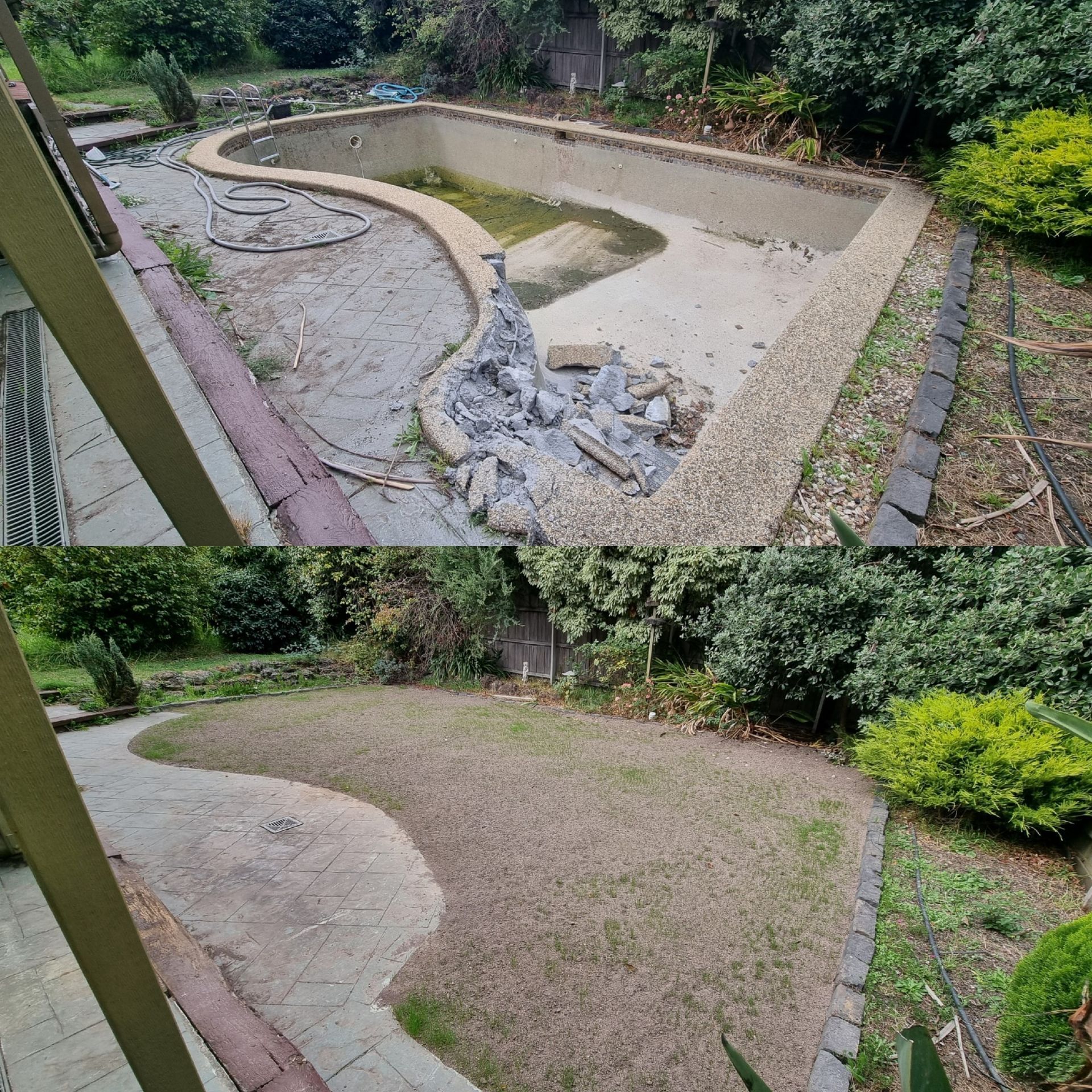
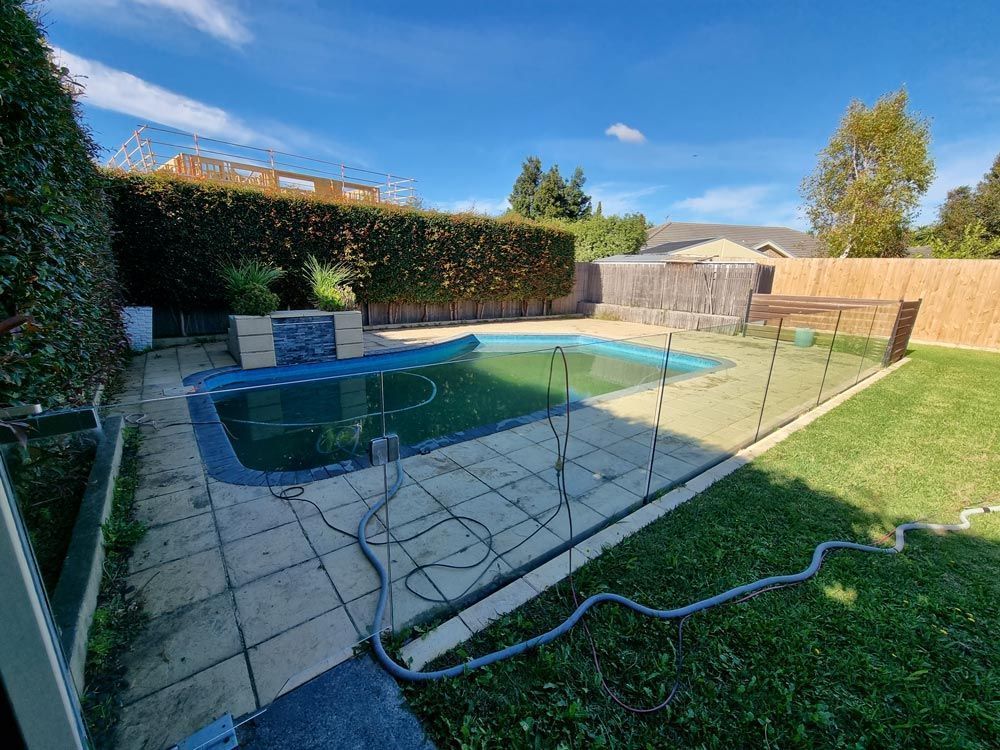
Many homeowners also remove retaining walls after a pool removal project, especially when redesigning the space for lawn, garden beds, paving or a more open backyard layout.
What Affects the Cost of Retaining Wall Removal in Melbourne
There is no single fixed price for retaining wall removal because every site is different. The final cost depends on how the wall was built, how difficult it is to access and how much material needs to be removed from the property.
The material type is one of the biggest cost factors. Timber sleeper walls, concrete blocks, brick, stone and steel structures all require different removal methods.
Cost factors may include:
- Wall height and length
- Type of material used
- Whether the wall is damaged or unstable
- Amount of soil pressure behind the wall
- Volume of debris and waste removal
- Site access for machinery and equipment
- Ground conditions around the wall
- Whether the area needs levelling or preparation afterwards
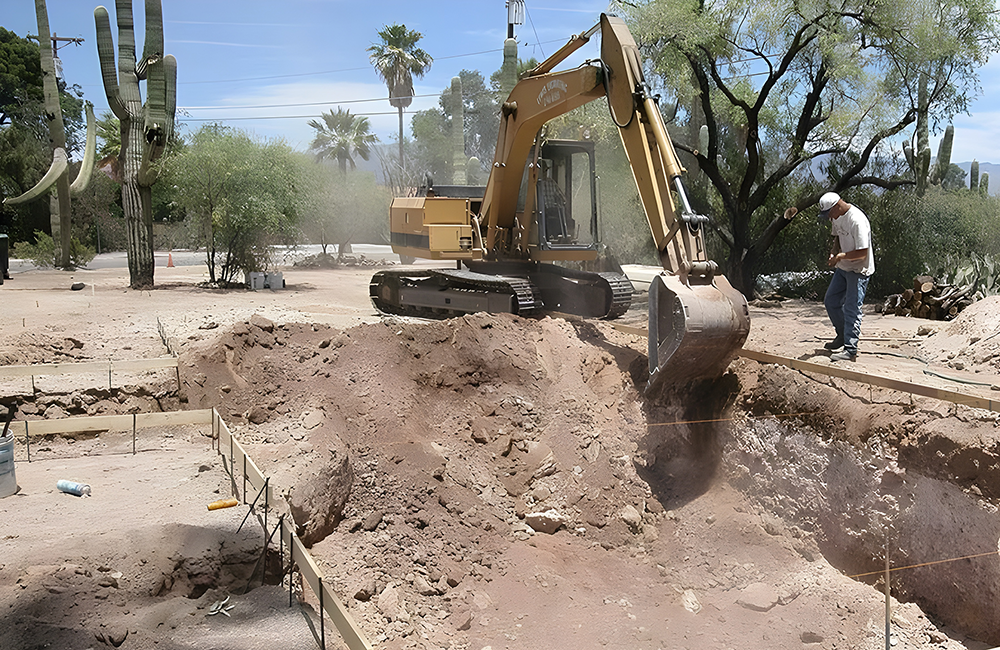
Tight access can also affect the cost. Some backyards have narrow side paths, steps, fencing or limited machine access. All Over Pool Removals can work in spaces as narrow as 1 metre, which can be important for established residential properties where access is limited.
What Happens After the Retaining Wall Comes Down
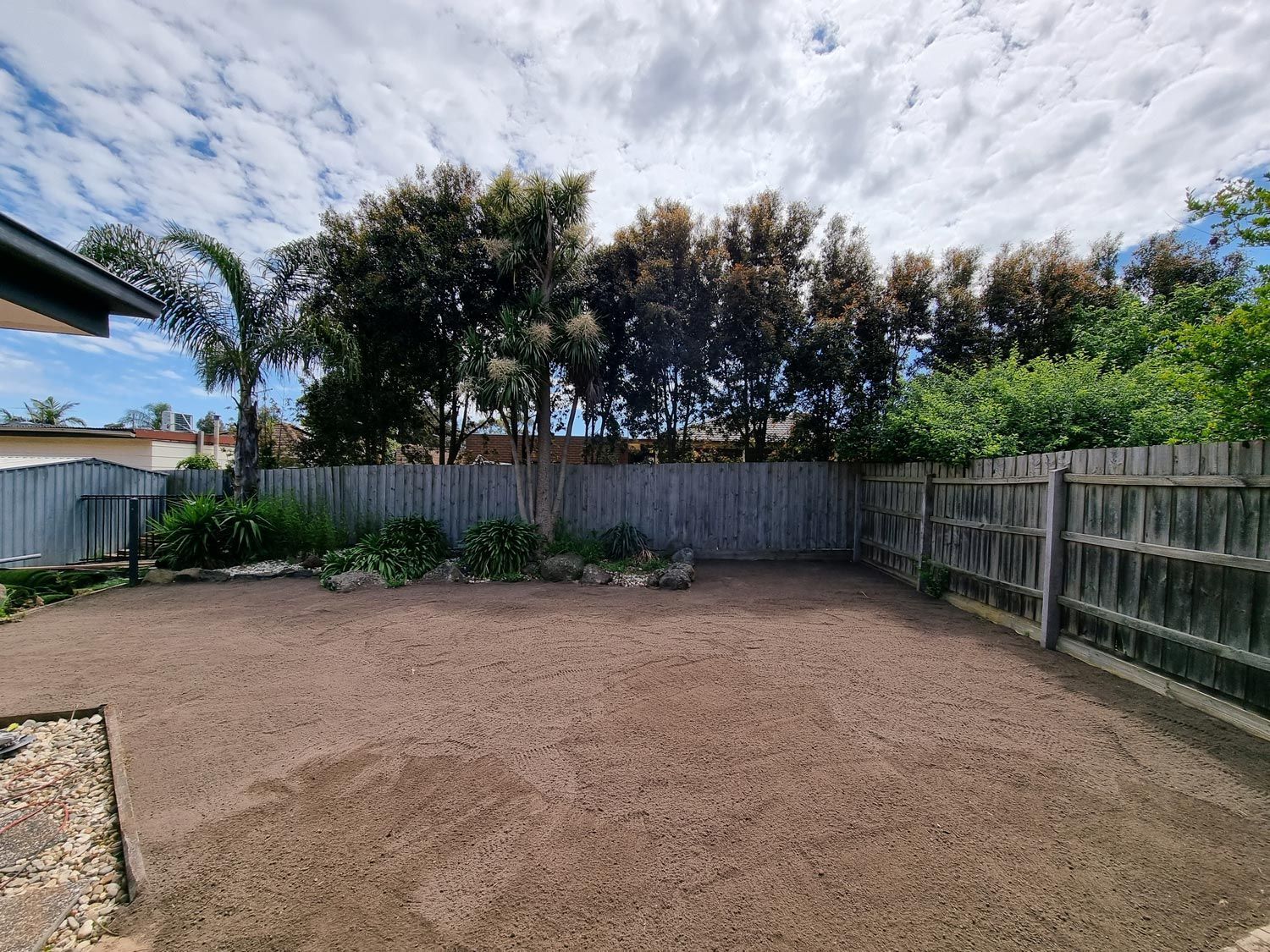
Once the retaining wall is removed, the site will usually need to be cleared, levelled and prepared for the next stage of the backyard project. What happens next depends on your goals for the space.
Some homeowners want a blank canvas, while others already have plans for a replacement retaining wall, garden beds, paving or fresh lawn.
After removal, the site may be prepared for:
- A new retaining wall
- Terraced garden beds
- Lawn installation
- Paving or outdoor entertaining areas
- Landscaping and planting
- Drainage improvements
- General backyard redesign
If the retaining wall was removed as part of a pool removal or backyard transformation, this stage is especially important. Proper preparation helps ensure the area is ready for the next use rather than leaving uneven ground, loose soil or leftover debris behind.
Should You Build a New Retaining Wall?
Not every retaining wall needs to be replaced once it is removed. In some cases, removing the old wall and reshaping the area may be enough. In other situations, a new retaining wall may be needed to manage soil levels and keep the backyard safe and usable.
A new retaining wall may make sense if the property has a sloped block or if the wall is helping support a garden, fence line, pathway or outdoor living area.
Replacement may be useful when you need to:
- Manage changes in ground level
- Prevent soil erosion
- Create terraced garden beds
- Improve backyard usability
- Support landscaping upgrades
- Reposition outdoor areas after pool removal
- Create a cleaner, more structured garden layout
A professional assessment can help determine whether the existing wall should be removed entirely or replaced with a better-designed structure suited to your backyard.
Types of Retaining Walls for Melbourne Gardens and Backyards
The right retaining wall material depends on your budget, backyard design, soil conditions and maintenance expectations. Each option has its own look, lifespan and cost considerations.
For residential gardens and backyards, common retaining wall types include timber, concrete, brick, stone and steel.
Popular options include:
- Timber or sleeper retaining walls for a natural garden look
- Concrete block retaining walls for strength and structure
- Brick retaining walls for a more traditional finish
- Stone retaining walls for texture and visual character
- Steel retaining walls for selected modern landscaping designs
Material choice affects both the cost of the retaining wall build in Melbourne and the long-term maintenance required. Some materials may suit decorative garden walls, while others may be better for areas needing stronger soil retention or improved durability.
What Affects the Cost of Building a New Retaining Wall
If your old wall needs to be replaced, the cost of a new retaining wall will depend on more than just the material. Wall height, length, drainage needs and site conditions all influence the final quote.
A small garden retaining wall may involve a much simpler process than a taller wall supporting a sloped backyard. Drainage is also important because water build-up behind the wall can shorten the life of the structure and create pressure over time.
Cost factors for a new retaining wall may include:
- Material selection
- Wall height and total length
- Excavation and site preparation
- Drainage requirements
- Soil type and slope
- Labour and equipment access
- Removal of the old wall and debris
- Whether permits or approvals are required
Because these factors vary from property to property, a site inspection is the most accurate way to understand the likely cost. A quote can also help you compare whether repair, removal or replacement is the most practical option.
Do You Need a Permit?
Permit requirements for retaining wall removal or construction can vary depending on your local council, wall height, location and whether the wall affects neighbouring properties or structures. Some smaller garden retaining walls may not need approval, while larger or more complex walls may require professional guidance before work begins.
It is always worth checking before starting, especially if the wall is close to a boundary, supports significant soil or forms part of a larger backyard renovation.
Permit considerations may include:
- The height of the retaining wall
- Distance from property boundaries
- Soil load and drainage
- Impact on neighbouring land
- Local council requirements
- Whether engineering advice is needed
Professional advice can help you understand what applies to your property before removal or rebuilding begins. This can prevent delays and help ensure the project is planned correctly from the start.
Why Hire a Professional for Retaining Wall Removal and Replacement
Removing a retaining wall is not always as simple as pulling it apart. Retaining walls often hold back soil, manage drainage and affect surrounding landscaping. If the wall is unstable or under pressure, removal needs to be handled carefully to reduce safety risks and prevent unnecessary damage to the rest of the yard.
A professional team can assess the wall, plan the removal method and manage waste removal as part of the process. This is especially important for tight access properties where specialised equipment and experience may be needed.
Hiring professionals can help with:
- Safe removal of damaged or leaning walls
- Correct assessment of soil and drainage conditions
- Tight access excavation and removal
- Debris loading and waste removal
- Site levelling and preparation
- Planning for new retaining walls where required
- Reducing disruption to the surrounding backyard
All Over Pool Removals brings more than 10 years of experience to residential backyard projects, including pool removals, tight access excavation, retaining wall removal and site preparation. The team offers free quotes and a 5-year workmanship warranty for added peace of mind.
Get a Free Quote for Retaining Wall Removal in Melbourne
At All Over Pool Removals, we understand that every Melbourne backyard is different. A cracked or leaning retaining wall may need careful removal, while a backyard renovation or pool removal project may require a new retaining wall, levelling or preparation for landscaping. Our team can assess your site, explain your options and provide a clear quote based on your access, wall type and project goals. Contact us to request a free quote and plan your next step with confidence.